Neon Sign Logo Design Guide for Businesses in India
By Neon Artist · 11 November 2026
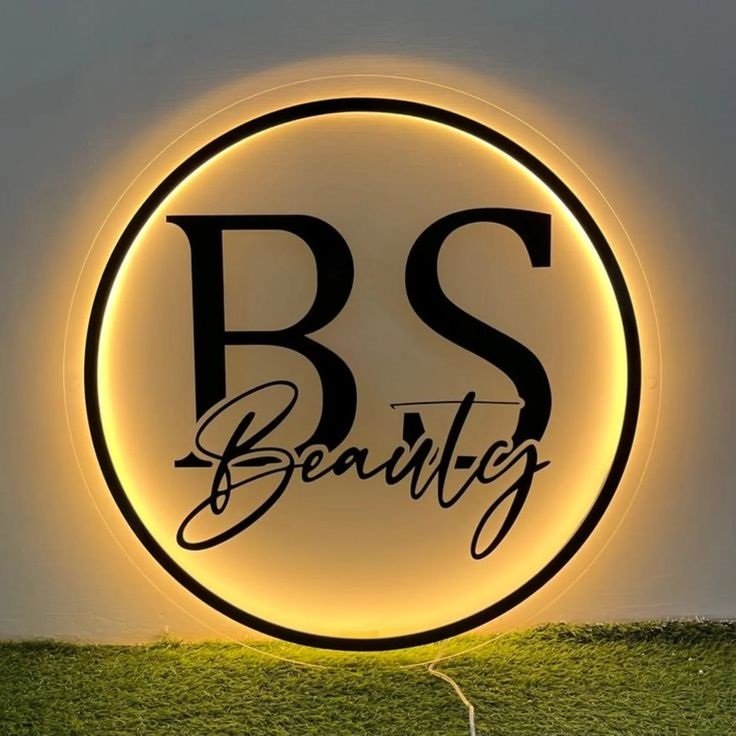
Why a Business Logo Sign Needs More Than a Simple Copy
A business logo may look perfect on a website or visiting card, but turning it into a physical neon sign requires thoughtful design choices. Tiny details, thin strokes and long taglines can become difficult to read when viewed from across a shop, reception area or café floor.
The goal is not to copy every pixel. The goal is to preserve the identity customers recognise: the business name, main symbol, strong letter shapes and brand personality. This guide explains how Indian businesses can plan a neon sign logo that is readable, memorable and useful in the real space where customers will see it.
1. Start with the Main Recognition Element
Look at the logo and ask what people recognise first. Is it the business name, an icon, initials or a distinctive symbol? That element should lead the sign design.
Trying to include every small detail can make a logo sign crowded. For shops, cafés, salons and offices, a simplified version often creates stronger distance visibility while still feeling connected to the original identity.
2. Simplify Fine Details Before Production
Very thin lines, tiny decorative marks and miniature text may work on a screen but become weak in a wall sign. Simplification is not the same as changing the brand. It is about choosing the parts that matter most at the required size.
Share the clearest logo file available and explain where the sign will be installed. A reception wall viewed from three metres away needs different planning from a storefront sign seen across a road.
3. Choose Size Based on Viewing Distance
Size should be planned around the real environment. A compact logo can work behind a small reception counter, while a retail store or restaurant wall may need significantly more width so the name remains readable.
Measure the usable wall area, not the entire wall. Leave breathing space around the design and consider furniture, shelves, menu boards and plants that may sit nearby.
4. Match the Sign with the Brand Personality
A luxury salon may prefer clean elegant lettering, while a gaming café can use a bolder and more energetic layout. A professional office may need a restrained composition, while a youth-focused retail store can support stronger colours.
The sign should feel like part of the brand system already used on packaging, website, social media and interiors. Use the custom neon designer to explore a personalised layout or view the Custom Business Logo Sign for business-focused inspiration.
5. Logo Sign Placement for Reception Areas
Reception walls are ideal for logo signs because customers see them early in the visit. Place the sign behind or beside the desk where it remains visible in customer photos and team content.
Check the desk height, chairs and decorative objects before finalising the position. A sign placed too low can disappear behind furniture, while a sign placed too high may look disconnected from the reception zone.
6. Storefront and Entrance Logo Signs
For entrance-facing placement, test visibility from the normal customer approach. Glass reflections, nearby boards, trees, parked vehicles and daylight can reduce clarity.
Keep the business name easy to read quickly. Customers walking or driving past do not have time to study a complicated design. For operating-hours visibility, the separate Neon Open Sign Guide covers open-sign placement in more detail.
Designing Logo Signs for Different Business Types
Cafés and Restaurants
A café or restaurant logo sign should remain visible behind counters, seating and busy service areas. Use the brand name as the main visual element and keep small taglines secondary. For interior photo walls, give customers enough standing space and keep the logo clear in vertical phone photos.
Salons and Beauty Studios
Salons often use logo signs behind reception desks, mirror zones and content corners. Clean lettering, balanced spacing and a colour that works with the interior can help the brand appear consistently in customer photos and reels.
Retail Stores
Retail stores should consider the customer path from entrance to billing. A logo sign near the first sightline creates recognition, while a second branded wall near checkout can support product photos and customer content.
Offices and Creative Studios
Office logo signs work well in reception areas, meeting rooms and content studios. Clean typography and strong brand consistency usually matter more than decorative complexity. The sign should look appropriate in team photos, interviews and client meetings.
Gyms, Gaming Rooms and Activity Spaces
These businesses can support bolder layouts and stronger visual energy. Even so, readability should remain the priority. A short name or distinctive symbol works better than a crowded combination of slogans and small details.
Choosing Brand Colours Wisely
Using the exact brand colour may be important for some businesses, but visibility and wall contrast matter too. A colour that looks strong in a digital logo can appear very different against a particular wall or under existing room lighting.
Test the sign colour against the actual background. Dark walls often create strong contrast, while light walls can produce a softer visual effect. When several colours exist in the logo, identify which one carries the most brand recognition before deciding whether the sign needs one colour or more.
Readability Comes Before Decoration
Customers should recognise the business name quickly. Decorative fonts, tightly packed letters and long taglines can reduce clarity, especially when the sign is seen from a distance.
For long business names, use a clean font and allow enough width. For initials or short names, there is more freedom to use distinctive lettering. Always review the design proof at a realistic size rather than zooming in on a phone screen.
Acrylic Backing and Wall Context
The backing shape affects the visual result and installation. A cut-to-shape backing keeps attention on the logo, while a structured rectangle can work for logos that need a defined panel.
Consider the wall material as well. Brick, wood, marble, painted plaster and glass each create a different effect. Share a wall photo and measurements when requesting a quote so the design can be planned around the real environment.
How to Prepare a Better Quote Request
A clear brief saves time and reduces misunderstandings. Include the business name, logo file, wall dimensions, preferred colour, installation city, expected viewing distance and target date.
Also explain whether the sign will be used indoors, near a storefront, at an event or across several branches. These details help the design team understand the actual requirement instead of quoting from the logo alone.
Planning for Multiple Business Locations
Franchises, hotel groups, retail chains and multi-location businesses need consistency. Define the main logo dimensions, colour standard, backing style and placement guidance before ordering for several sites.
Different walls may require adjusted dimensions, but the visual identity should remain consistent. Businesses planning multiple signs can use the Bulk Orders page for repeated or multi-location requirements.
Using the Logo Sign in Social Content
A well-placed business logo sign can become part of everyday content. Reception photos, staff introductions, product launches, customer stories and short videos can all use the same branded background.
Check the camera frame before installation. Position the sign where it remains visible without sitting directly behind a person’s head. Keep nearby shelves and décor organised so the logo stays readable.
Common Logo Sign Mistakes
- Trying to include every tiny logo detail.
- Using a long tagline at a small size.
- Choosing dimensions before measuring the wall.
- Ignoring the normal viewing distance.
- Using colours that blend into the background.
- Placing the sign behind furniture or display shelves.
- Approving a design proof without checking spelling.
- Waiting until the final week before a business opening.
Business Logo Sign Buying Checklist
- Share the clearest logo file available.
- Identify the most recognisable brand element.
- Measure the usable wall area.
- Confirm the normal viewing distance.
- Choose colour based on brand identity and wall contrast.
- Plan the power point and cable route.
- Review the design proof carefully.
- Confirm production and delivery timing.
- Plan consistency before ordering for multiple locations.
Frequently Asked Questions
Can every business logo be converted into a neon sign?
Many logos can be adapted, but very small details may need simplification so the final design remains clear and readable.
What file should I share for a logo sign?
Share the clearest artwork available. A high-quality logo image is helpful, while vector artwork can make complex shapes easier to understand.
How do I choose the right size?
Measure the usable wall and consider viewing distance. Reception walls, storefronts and large café interiors need different dimensions.
Can I use the brand’s colours?
Yes. Colour planning should consider both brand identity and contrast with the real wall or storefront.
Can the same design be used for several branches?
Yes. Multi-location businesses can keep consistent colours and proportions while adjusting the final dimensions to suit each space.
Final Thoughts
A strong neon sign logo should make the business easier to recognise, not make the original identity harder to read. Start with the most recognisable brand element, simplify unnecessary detail and choose the size around the real viewing distance.
For shops, cafés, salons, offices and studios, careful placement can turn the logo sign into part of the customer experience and everyday content. Browse the Neon Artist shop for inspiration, use the custom neon designer for personalised ideas or explore Bulk Orders for multi-location projects.